
Blurry, pixelated or low-resolution?
I can fix that.
Old Facebook photos, yearbook images, photocopies, screenshots — even heavily pixelated images can often be transformed into sharp, print-quality files. Send me what you have for a free assessment.
Get a free quote →When a high-resolution scan
isn't available.
The ideal starting point for any restoration is a high-resolution flatbed scan of the original photograph. But sometimes that's not possible — the original no longer exists, it's on the other side of the world, or all that remains is a low-quality digital copy pulled from Facebook, a screenshot, or an old email attachment.
Using a combination of AI-powered upscaling and manual photo-realistic techniques, I can transform even heavily pixelated or blurry images into sharp, high-resolution files suitable for printing and framing. The process recovers fine detail, smooths compression artefacts, and — where needed — applies restoration work on top to remove any damage visible in the source image.
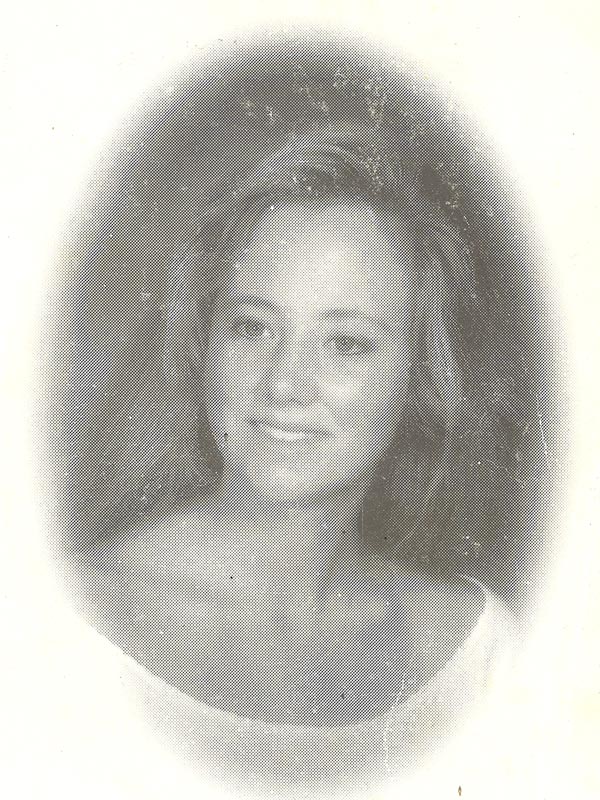
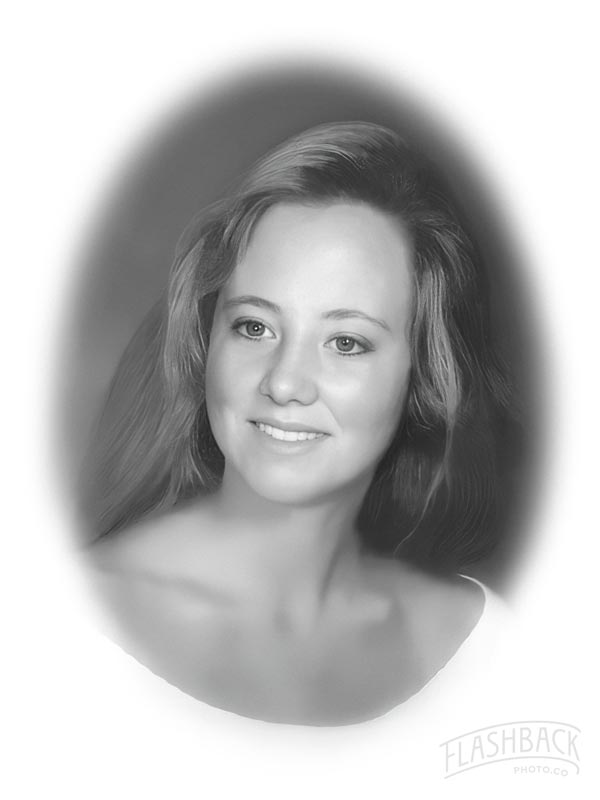
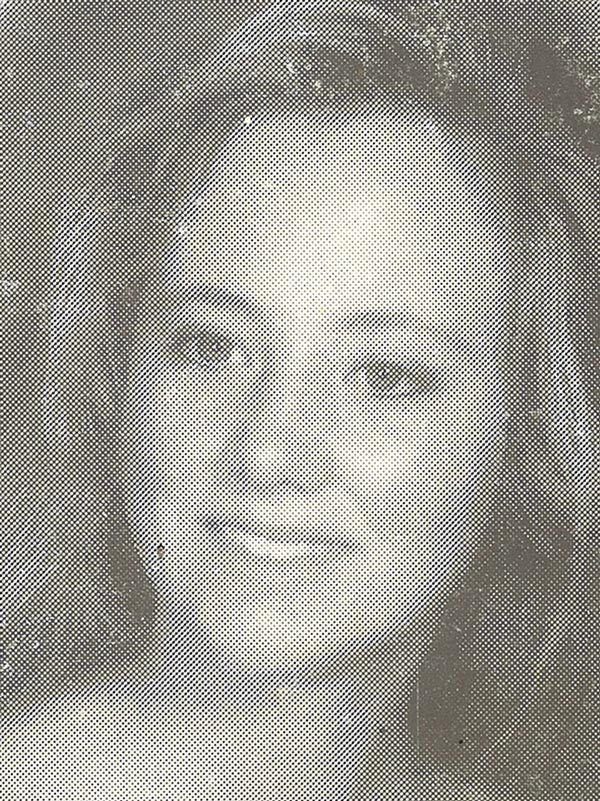
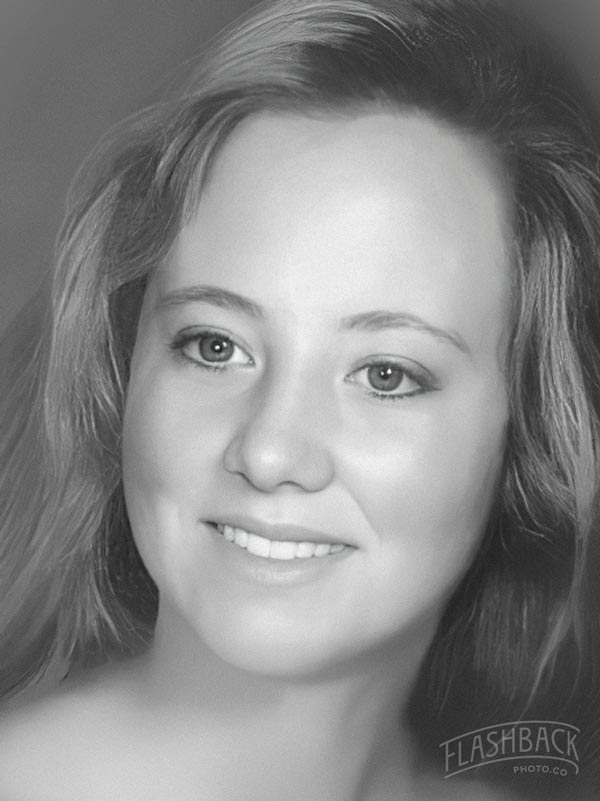
This technique also works beautifully on photocopies, halftone images from books and newspapers, and black and white book plates — converting the dot pattern of print reproduction into smooth, continuous-tone greyscale or full colour.
 Before
 After
After
You only pay if you're completely delighted — guaranteed. | Unlimited proofing | Free assessment within one business day
What I can work with
Facebook and social media
Images downloaded from Facebook, Instagram or other social platforms are heavily compressed and often very low resolution — but frequently they're the only digital copy of an old photograph that exists.
Yearbook and newspaper photos
Halftone printed images — from school yearbooks, newspapers or magazines — consist of a dot pattern that scans poorly. I remove the halftone pattern and reconstruct the underlying image as a smooth, continuous-tone file.
Photocopies
A photocopy of a photograph is a generation removed from the original — contrast is harsh, fine detail is lost and tone is compressed. With careful processing, much of the original character can be recovered.
Screenshots and screen captures
Screenshots taken from a computer, phone or television — including footage from home video or documentary recordings — can be upscaled and enhanced, then restored and colourised if needed.
Old digital photos
Early digital cameras from the 1990s and early 2000s produced very small files by modern standards. These can be upscaled significantly while recovering fine detail — suitable for printing at much larger sizes than the original file would allow.
Book plates and illustrations
Black and white photographs reproduced in books — particularly older historical and family history publications — can be extracted and enhanced, then colourised to create a vibrant full-colour image.
Photo enhancement examples
The transformation possible from a low-quality source image is often remarkable. Here's a selection of recent upscaling and enhancement work.
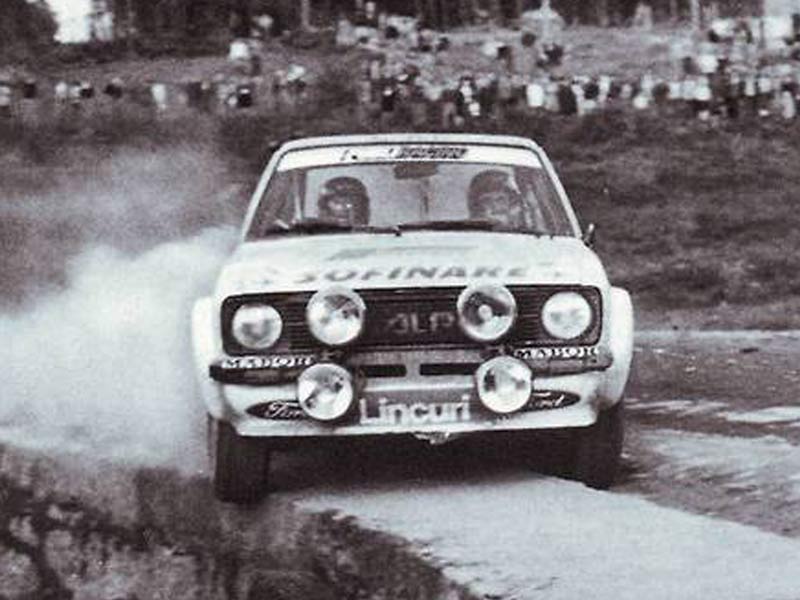
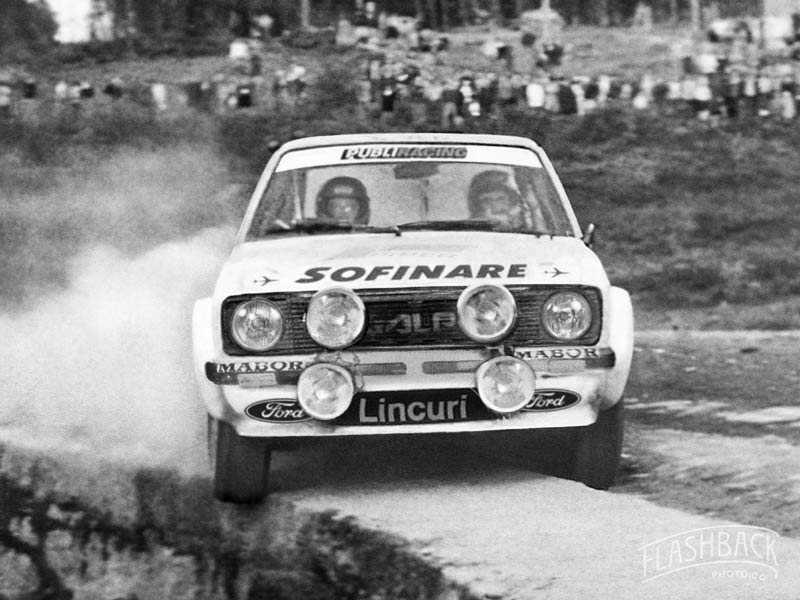
AI-powered upscaling tools have improved dramatically in recent years and can produce excellent results as a starting point. However, they work algorithmically — and algorithms make mistakes, particularly when it comes to faces, fine detail and historically specific content like uniforms and insignia.
My approach uses AI upscaling as a foundation, then applies careful manual refinement — correcting any errors the algorithm has introduced and ensuring that faces, clothing and key details look natural and accurate. The result is significantly better than AI alone, and reflects a human eye rather than a machine's interpretation.
How upscaling is priced
Upscaling is priced on the same tier structure as restoration work — from $75 for a straightforward upscale with minimal additional work, through to $200+ where significant manual refinement or combined restoration is required. Where upscaling is part of a larger restoration project, it's included in the overall quote rather than charged separately.
The best way to get an accurate quote is to send me what you have. I'll assess the source image and tell you honestly what's achievable and at what cost — before any work begins.
Only have a phone photo of the original?
If you've taken a photo of an old photograph with your phone, there's a separate guide with tips on how to get the best possible result from that source image — including how to minimise glare, distortion and reflection before you send it to me.
Ready to enhance a low-resolution photograph?
Send me what you have — however low the quality — and I'll give you an honest assessment of what's possible. No obligation, no charge for the assessment.
Get a free assessment →You only pay when you're completely delighted with the result. — James, Flashback Photo Co